Reading Time – 3 minutes
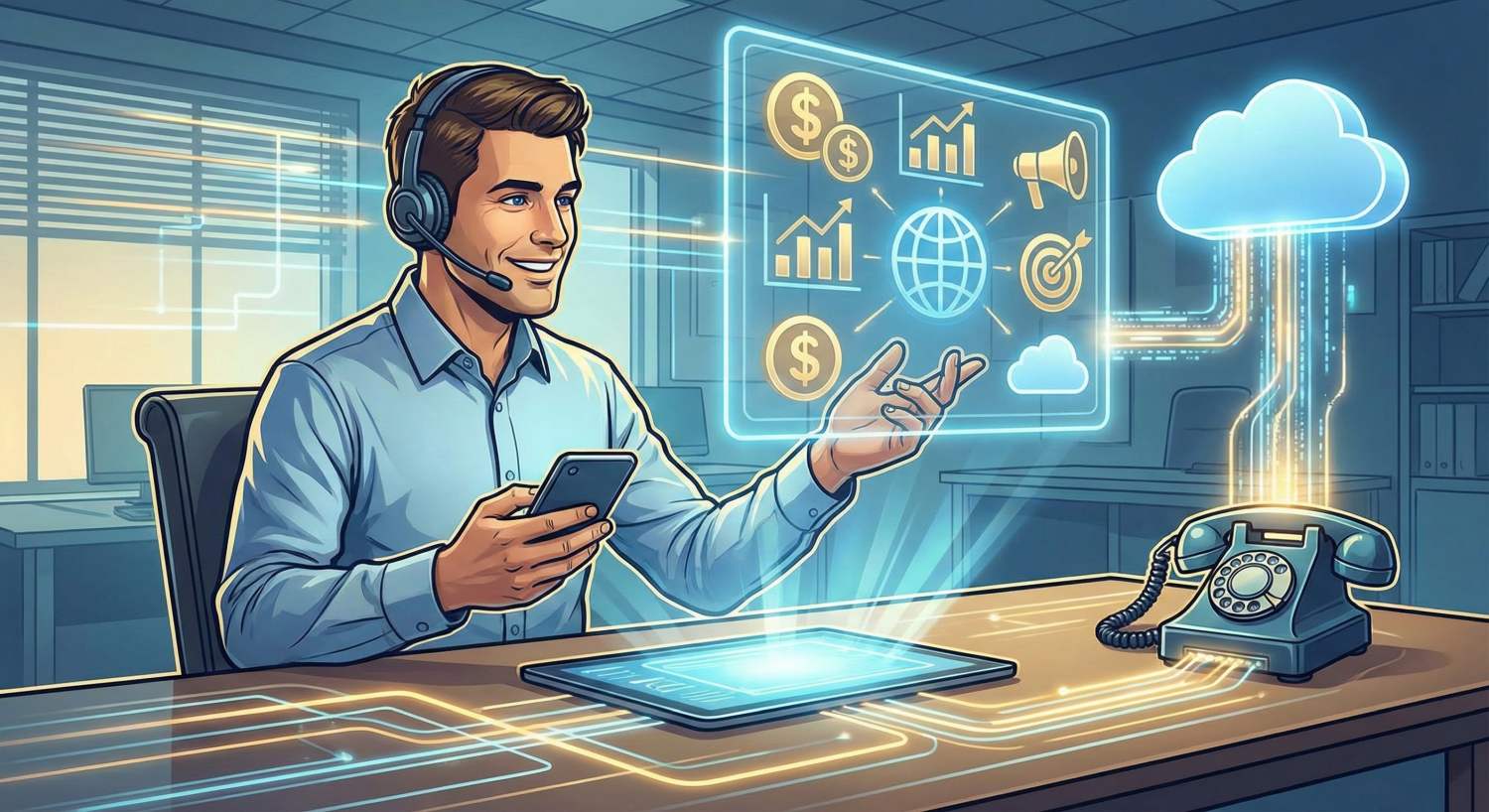
One of the most common objections I hear from guys starting a business is simple: “I don’t want to get on the phone.” Most of the people who follow my material are introverts, so this resistance makes sense. The idea of selling something live, in real time, to another human being feels uncomfortable, stressful, or even intimidating. The problem is that discomfort does not change reality, especially if your goal is to build a business quickly and escape a nine-to-five job.
If your objective is to get paying clients fast in a small, B2B, niche business, phone sales are usually the most efficient path. That doesn’t mean phone sales are forever. It means they are often necessary at the beginning.
When you are starting from zero, you usually lack three things: brand recognition, traffic, and trust. Ads can solve some of that, but ads take time to dial in and they cost money. If you have plenty of cash and plenty of time, you can run ads, test them, fail repeatedly, learn the platforms, and eventually get results. Most people don’t have that luxury. They’re working a job they hate in a collapsing Western economy and need income now, not six months from now.
That’s where the phone comes in.
When you define a narrow business niche, identify a clear problem that niche already knows it has, and offer a specific solution, closing clients on the phone becomes surprisingly straightforward. You can land clients worth several thousand dollars each within weeks, not months. This is exactly why, in programs like the 90-day business builder, the early goal is simple: get clients and get cash flow as fast as possible.
This does not mean you are signing up to be a phone salesperson for the rest of your life.
Phone sales are a phase.
In the early stage of your business, your only real priority is deal flow. You need money coming in so you can quit your job, stabilize your life, and buy yourself time. Once that happens, your options expand. With income in place, you can start layering in other systems: ads, cold email, cold DMs, content funnels, or referrals. Many of these methods reduce or eliminate your need to personally get on the phone, but they are much easier to implement once you’re not desperate for cash.
Another option, especially if you want to scale aggressively, is to lean into phone sales rather than avoid them. High-ticket offers—anything roughly above $3,000—are often best sold on the phone. When you sell high ticket, you can make significant money with a relatively small number of clients. At first, you will be bad at it. That’s normal. Over time, your close rate improves. You learn how to handle objections, guide conversations, and recognize qualified prospects. Once your close rate climbs into the 20–30% range, you’re often already making six figures.
At that point, something important happens: you now understand sales well enough to remove yourself from it.
Because you’ve done the calls yourself, you know what good looks like. You know what metrics matter. That allows you to hire salespeople, train them properly, or bring in a sales manager or sales team. You can review performance objectively because you’ve been in the trenches. This is far harder to do if you’ve never sold anything yourself.
Some people actually enjoy sales and choose to stay on the phone. If that’s you, great. Do more of it. For everyone else, phone sales are temporary. They are a tool, not an identity.
The key thing to understand is this: avoiding phone sales at the beginning usually slows everything down. Embracing them—briefly and strategically—often accelerates your entire business timeline. You get clients faster, you make money sooner, and you create options you simply don’t have otherwise.
You are not committing to a lifetime of sales calls. You are committing to doing what works right now so you can build something better later.
Top of Form
Bottom of FormAI did NOT write this article. The article comes 100% from me and is 100% my content. However, AI was used to transcribe this content from some of my other social media which is why the voice is a little different. It’s still 100% my content and not written by AI. AI will never “write” my content! Remember that you can always go to calebjonesblog.com and subscribe to my Substack if you want articles physically written by me with no AI involvement whatsoever.
Leave your comment below, but be sure to follow the Five Simple Rules.
No Comments